
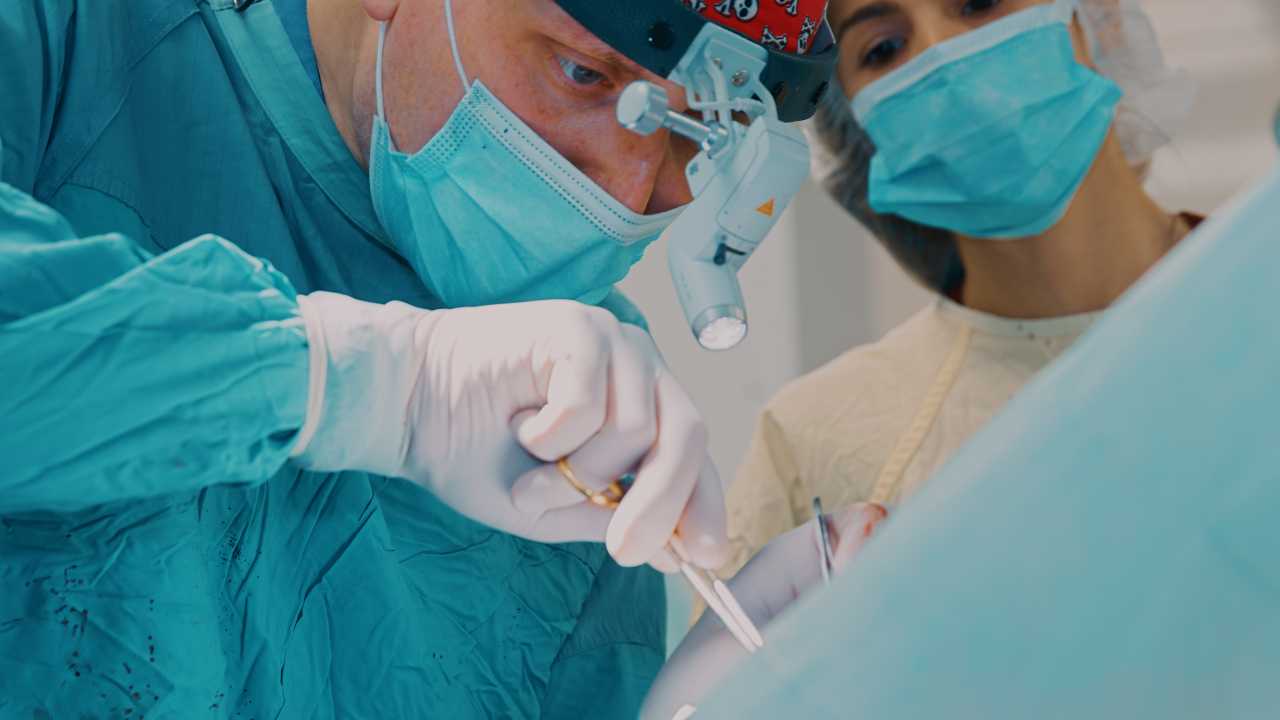
What is Oral and Maxillofacial Surgery?
Oral and maxillofacial surgery (OMS) is a specialized field of dentistry that focuses on the diagnosis, surgical treatment, and management of diseases, injuries, and defects involving the mouth, teeth, jaws, and face. Additionally, surgeons in this field are trained to perform a wide range of procedures, from simple tooth extractions to complex reconstructive surgeries.
Areas of Expertise
Oral and maxillofacial surgeons are highly skilled professionals who treat many different conditions, including:
-
Tooth Extractions: Removal of impacted or severely damaged teeth, including wisdom teeth.
-
Dental Implants: Placement of artificial tooth roots to support crowns, bridges, or dentures.
-
Jaw Surgery: Correction of misaligned jaws (orthognathic surgery) to improve function and appearance.
-
Facial Trauma: Treatment of fractures of the jaw, cheekbones, or eye sockets, as well as soft-tissue injuries.
-
Cleft Lip and Palate Repair: Surgical correction of congenital deformities to improve function and aesthetics.
-
TMJ Disorders: Management of joint dysfunction through both surgical and non-surgical treatments.
-
Oral Pathology: Diagnosis and treatment of cysts, tumors, infections, and other diseases.
-
Cosmetic Surgery: Procedures to enhance facial structure, such as chin augmentation and rhinoplasty.
Training and Education
Becoming an oral and maxillofacial surgeon requires extensive education. First, students complete:
-
Dental School: Four years of dental education to earn a DDS or DMD degree.
-
Residency Program: Next, a rigorous 4–6 year residency that includes training in general surgery, anesthesia, and advanced techniques.
-
Board Certification: Finally, many surgeons pursue certification through ABOMS to demonstrate advanced expertise.
Common Procedures
Tooth Extractions
One of the most frequent OMS procedures is the removal of impacted wisdom teeth. Because these teeth often fail to erupt correctly, they may cause pain, infection, or crowding. Surgeons remove them under local or general anesthesia to ensure comfort and safety.
Dental Implants
Dental implants provide a strong, long-term solution for missing teeth. During the procedure, a titanium post is placed into the jawbone, creating a stable foundation for a prosthetic tooth. As a result, patients benefit from a durable and natural-looking replacement.
Jaw Surgery
Orthognathic surgery corrects jaw misalignment that cannot be resolved with orthodontics alone. Consequently, this surgery can improve chewing, speaking, breathing, and overall facial symmetry. Surgeons reposition the jaws and may use plates, screws, or bone grafts to achieve proper alignment.
Facial Trauma Treatment
Accidents, sports injuries, and other trauma can cause fractures and soft-tissue damage. In these cases, OMS specialists restore structure and function through surgical and non-surgical techniques that are tailored to each patient.
Cleft Lip and Palate Repair
Cleft conditions affect appearance, speech, and the ability to eat. Because of this, corrective procedures are generally performed in stages from infancy through adolescence to support proper development.
TMJ Disorders
TMJ disorders may lead to pain, stiffness, or difficulty moving the jaw. Depending on the severity, treatment options range from minimally invasive procedures like arthrocentesis to more advanced surgical interventions.
Oral Pathology
Surgeons diagnose and treat a wide range of benign and malignant conditions. Early detection, however, plays a major role in achieving successful outcomes.
Cosmetic Surgery
Many OMS providers offer cosmetic procedures intended to enhance facial balance. For example, they may perform chin augmentation, rhinoplasty, or other contouring surgeries.
Recovery and Aftercare
Recovery times vary based on the procedure and the patient’s health. Generally, surgeons recommend:
-
Pain Management: Medications to control discomfort.
-
Swelling Reduction: Cold packs and head elevation to minimize swelling.
-
Dietary Modifications: Soft or liquid foods to protect the surgical site.
-
Oral Hygiene: Gentle cleaning to prevent infection.
-
Follow-Up Appointments: Regular visits to monitor healing.
Conclusion
Oral and maxillofacial surgery is a comprehensive specialty that addresses both functional and aesthetic needs of the mouth, jaws, and face. Ultimately, whether you require a routine extraction or a complex reconstructive procedure, consulting a qualified surgeon ensures you receive expert, personalized care.


