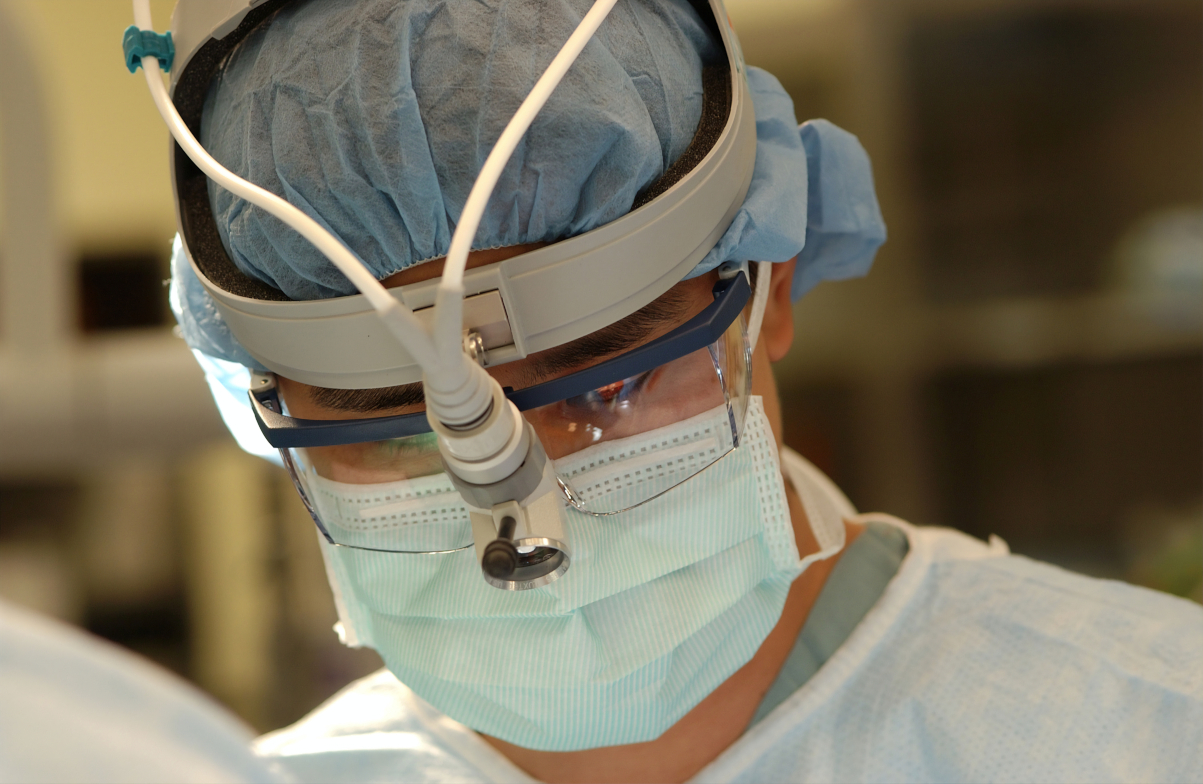
Oral biopsy services in Spokane by Dr. McLelland. We diagnose abnormal oral tissue, lesions, and growths with expert care and timely pathology results.
Long-Form SEO Content for an Oral Biopsy Page
Oral Biopsy Treatment in Spokane
An oral biopsy is a common procedure used to diagnose abnormal tissue changes inside the mouth. At Liberty Oral Surgery, Dr. McLelland performs oral biopsies to help identify the cause of suspicious lesions, growths, sores, or areas of discoloration that may require further evaluation. Early diagnosis is important for maintaining oral health and addressing potential concerns before they become more serious.
What Is an Oral Biopsy?
An oral biopsy is a procedure in which a small sample of tissue is removed from the mouth and sent to a pathology laboratory for microscopic examination. This allows specialists to determine whether the tissue is benign, inflammatory, infectious, precancerous, or cancerous.
Many oral lesions are harmless and may result from irritation, trauma, infection, or other non-serious causes. However, some abnormalities can resemble more significant conditions. A biopsy provides valuable information that cannot be obtained through a visual examination alone.
Why Might You Need an Oral Biopsy?
Your dentist, physician, or oral surgeon may recommend an oral biopsy if an area of concern has not healed as expected or displays unusual characteristics. Conditions that may warrant a biopsy include:
Persistent mouth sores
White patches inside the mouth
Red patches on the gums, tongue, or cheeks
Mixed red and white lesions
Lumps or thickened tissue
Unexplained swelling
Pigmented or dark-colored lesions
Chronic irritation that does not improve
Changes in oral tissue appearance
Areas that bleed easily
A biopsy allows for a definitive diagnosis and helps guide appropriate treatment recommendations.
Common Areas Where Biopsies Are Performed
Oral biopsies may be performed on many areas within the mouth, including:
Tongue
Gums
Cheeks
Lips
Floor of the mouth
Hard palate
Soft palate
Jaw tissue
Areas surrounding teeth
Each location presents unique characteristics, and Dr. McLelland carefully evaluates the area before determining the most appropriate biopsy technique.
Types of Oral Biopsies
Several biopsy methods may be used depending on the size, location, and appearance of the lesion.
Incisional Biopsy
An incisional biopsy involves removing a small portion of a larger lesion. This technique is often used when the area is too large to remove completely during the initial procedure.
Excisional Biopsy
An excisional biopsy removes the entire lesion along with a small margin of surrounding tissue. This approach is commonly used for smaller lesions and may serve both diagnostic and therapeutic purposes.
Fine Needle Aspiration
In certain situations involving masses or swelling, a fine needle aspiration may be used to collect cells for analysis.
What to Expect During the Procedure
Most oral biopsies can be completed comfortably in our office. The area is typically numbed with local anesthetic to minimize discomfort. Once the tissue sample is obtained, the site may be closed with dissolvable sutures depending on the size and location of the biopsy.
The procedure itself is generally quick, and many patients return to normal daily activities shortly afterward.
Recovery After an Oral Biopsy
Recovery is typically straightforward. Some mild soreness, swelling, or tenderness may occur for a few days following the procedure. Most patients can manage any discomfort with recommended medications and simple post-operative care instructions.
Patients are often advised to:
Maintain good oral hygiene
Avoid irritating foods
Follow all post-operative instructions
Attend follow-up appointments
Contact the office with any concerns
Healing times vary depending on the size and location of the biopsy.
Understanding Your Biopsy Results
After the tissue sample is sent to a pathology laboratory, a specialist known as a pathologist examines the specimen under a microscope. Results help determine the nature of the tissue and whether any additional treatment is necessary.
Possible findings may include:
Normal tissue
Inflammatory conditions
Benign growths
Reactive lesions
Viral or fungal infections
Precancerous changes
Oral cancer
Dr. McLelland will review the findings with you and discuss any recommended next steps.
The Importance of Early Detection
Many oral health conditions are easier to manage when identified early. Persistent changes within the mouth should never be ignored, especially if they remain present for more than two weeks. Early diagnosis allows for more effective treatment planning and can improve long-term outcomes.
Regular dental examinations and prompt evaluation of unusual oral findings play an important role in maintaining overall oral health.
Why Choose Liberty Oral Surgery for Your Oral Biopsy?
At Liberty Oral Surgery, patient comfort, safety, and accurate diagnosis are our priorities. Dr. McLelland combines advanced surgical training with a compassionate approach to care. Our team works closely with patients and referring providers to ensure timely evaluation, treatment, and communication throughout the diagnostic process.
If you have a persistent sore, unusual lesion, or area of concern in your mouth, an oral biopsy may provide the answers needed to determine the appropriate course of care. Contact Liberty Oral Surgery to schedule an evaluation and learn more about our oral biopsy services in Spokane and the surrounding communities.